

What is transcranial magnetic stimulation (TMS)?
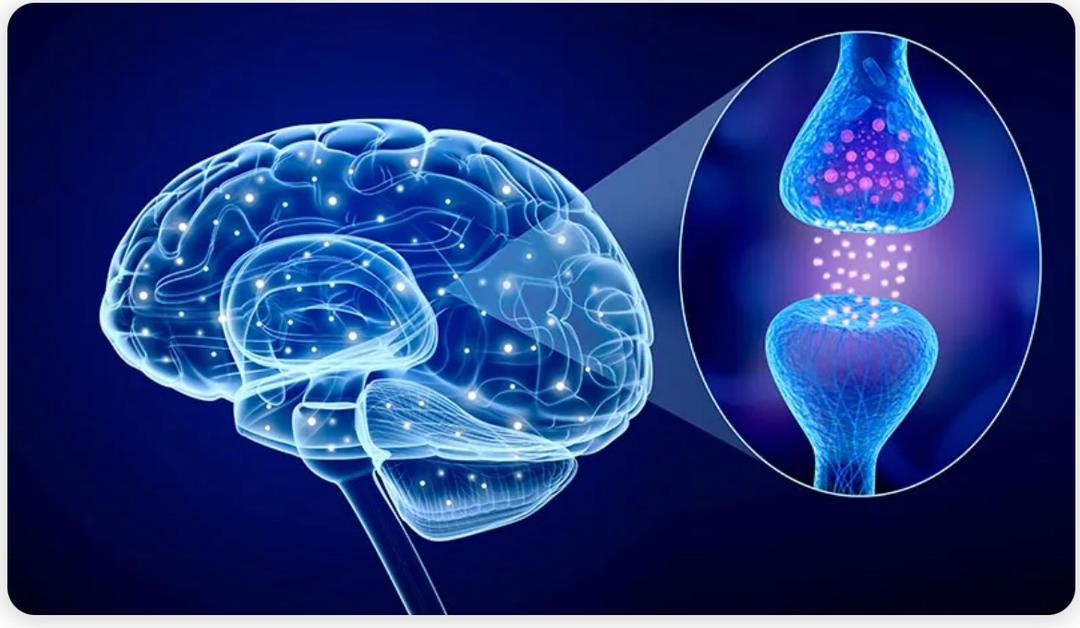
Transcranial magnetic stimulation (TMS) is a non-invasive, drug-free procedure that uses magnetic pulses to stimulate specific areas of the brain involved in mood regulation, cognitive function, and neural activity.
This method is safe, effective, and approved by reputable global organizations. It is used to treat disorders such as depression, anxiety, obsessive-compulsive disorder (OCD), and other mental disorders, especially for people who have not responded adequately to traditional treatments such as medication or psychotherapy.
At Neuropulse, we help patients experience significant improvements in their mental health by providing personalized treatment plans and utilizing cutting-edge technologies. TMS therapy sessions are conducted in a comfortable and pain-free environment, and patients can continue their daily activities during treatment.
Why TMS?
- Non-invasive and requires no anesthesia
- No side effects of medications
- Permanent and effective results
- Suitable for people who have not responded to other treatments
What is transcranial magnetic stimulation (TMS)?
Benefits of Transcranial Magnetic Stimulation (TMS) Therapy
- No medication required: Treatment without the use of medication and its associated side effects.
- No conversation required: No need to talk or actively participate during therapy sessions.
- Non-invasive: No need for surgery, anesthesia, or any invasive procedures.
- Long-term results: Stable and lasting improvement in symptoms.
- High response rate: High success rate in treating patients, especially those who have not responded to other methods.
- Targeted therapy: Precise stimulation of specific brain areas involved in mental disorders.
- Outpatient treatment: No need for hospitalization and the ability to return to daily activities immediately after sessions.
- Low side effects: Rare and mild side effects compared to other methods.
- Accelerated protocols: Shorter treatment periods with faster results.
- Neuroscience-based: A method based on scientific evidence and extensive research in the field of neuroscience.
- Can be combined with other treatments: Possibility of simultaneous use with psychotherapy, medications and other treatment methods
Guided TMS therapy
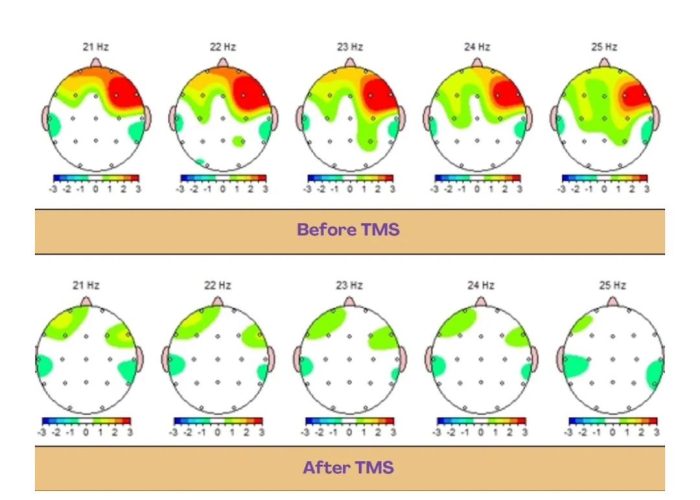
At our clinic, we use advanced transcranial magnetic stimulation (TMS) that utilizes quantitative electroencephalography (qEEG) to deliver targeted, personalized treatment. Unlike other TMS clinics, our method allows for dynamic and precise adjustment of treatment plans by assessing neural responses in real time.
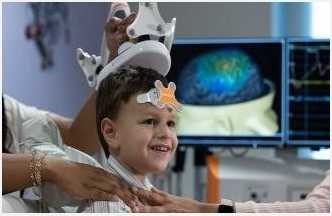
This advanced integration of technology and neuroscience brings patients a better treatment experience that is precisely tailored to each individual’s brain wave patterns and unique condition. In TMS, magnetic pulses are delivered to specific areas of the brain and nerve cells through a coil placed on the scalp. Patients may experience a mild tapping sensation during treatment.
Guided TMS therapy
This unique method identifies underactive or overactive areas of the brain and directs TMS therapy in a way that helps to re-regulate these areas and reduce symptoms associated with neurological disorders. Why Guided TMS? - Targeted and personalized treatment - Uses brain mapping (qEEG) for greater accuracy - Real-time assessment and dynamic adjustment of the treatment plan - Adapts to each individual's unique brain wave patterns Reduce symptoms by precisely stimulating relevant areas Guided TMS therapy
Treatment target groups
Students: Improve concentration and strengthen memory, deal with learning problems, reduce exam anxiety, treat depression and ADHD, increase productivity and speed of action, improve mental performance of students or programmers.
Athletes Manage competition anxiety and increase focus Relieve and reduce chronic muscle pain or accelerate the recovery of nerve injuries Improve quality
Mothers Treat Postpartum Depression (PPD)
Safely reduce anxiety and stress associated with caregiving for mother and baby
Children, improving sleep quality, people working in stressful environments, reducing stress and burnout, improving cognitive performance, decision-making and crisis management, treating tension headaches or occupational migraines, ideal for managers, entrepreneurs, healthcare professionals, and people who work in stressful environments.
Elderly people are treated by reducing symptoms of dementia, such as Alzheimer's, improving mood, and treating depression.
Aging: Reducing chronic pain such as nerve pain and chronic arthritis, improving sleep, and preventing the progression of cognitive impairments. Stroke patients help restore motor function and improve muscle control. Improving cognitive and speech abilities damaged by stroke. Regulating brain activity to accelerate the rehabilitation process.
Patients with treatment-resistant depression
People recovering from addiction Reduce cravings for drugs, alcohol or cigarettes, help regulate mood and prevent relapse Improve brain function damaged by substance use
Prevention with TMS
Prevention of depression and anxiety, prevention of the return of symptoms in people prone to burnout, reduction of stress and maintenance of concentration in people under work pressure.
Decreased cognitive function Prevention of dementia and memory problems in the elderly. Sleep disorders Regulating sleep patterns to prevent chronic insomnia Performance decline in athletes and students Enhancing the concentration, creativity and performance of veterans and people who have experienced traumatic events Reducing unwanted thoughts and repetitive reactions, reducing chronic pain related to people with sleep problems, treating insomnia and improving sleep quality, regulating sleep rhythms and improving deep sleep, patients with chronic pain, reducing treatment-resistant pain such as fibromyalgia or neuropathic pain, relieving chronic headaches and migraines.
People with anxiety disorders: Reducing the severity of symptoms of anxiety disorders such as generalized anxiety disorder (GAD), social anxiety, and panic disorder. A non-invasive and effective approach for people who are sensitive to medications.
Such as generalized anxiety disorder (GAD), social anxiety disorder, and panic disorder. Non-invasive and effective approach for people who are sensitive to medications.
People with movement disorders Help reduce symptoms of movement disorders such as Parkinson's, dystonia or uncontrollable tremors People with obsessive-compulsive disorder (OCD)
People with autism spectrum disorders (ASD) Improve communication and social skills Reduce isolation and increase interaction Help manage repetitive and stereotyped behaviors Reduce anxiety and improve emotional regulation Non-invasive treatment that is an ideal option for children and adolescents with autism.
Children with speech disorders: Improve brain function in areas related to language production and processing. Help increase the ability to pronounce and express sentences. A safe method that can be well integrated with occupational therapy and speech therapy programs.