

🔬 rTMS | Transcranial Magnetic Stimulation for the Treatment of Mental Disorders
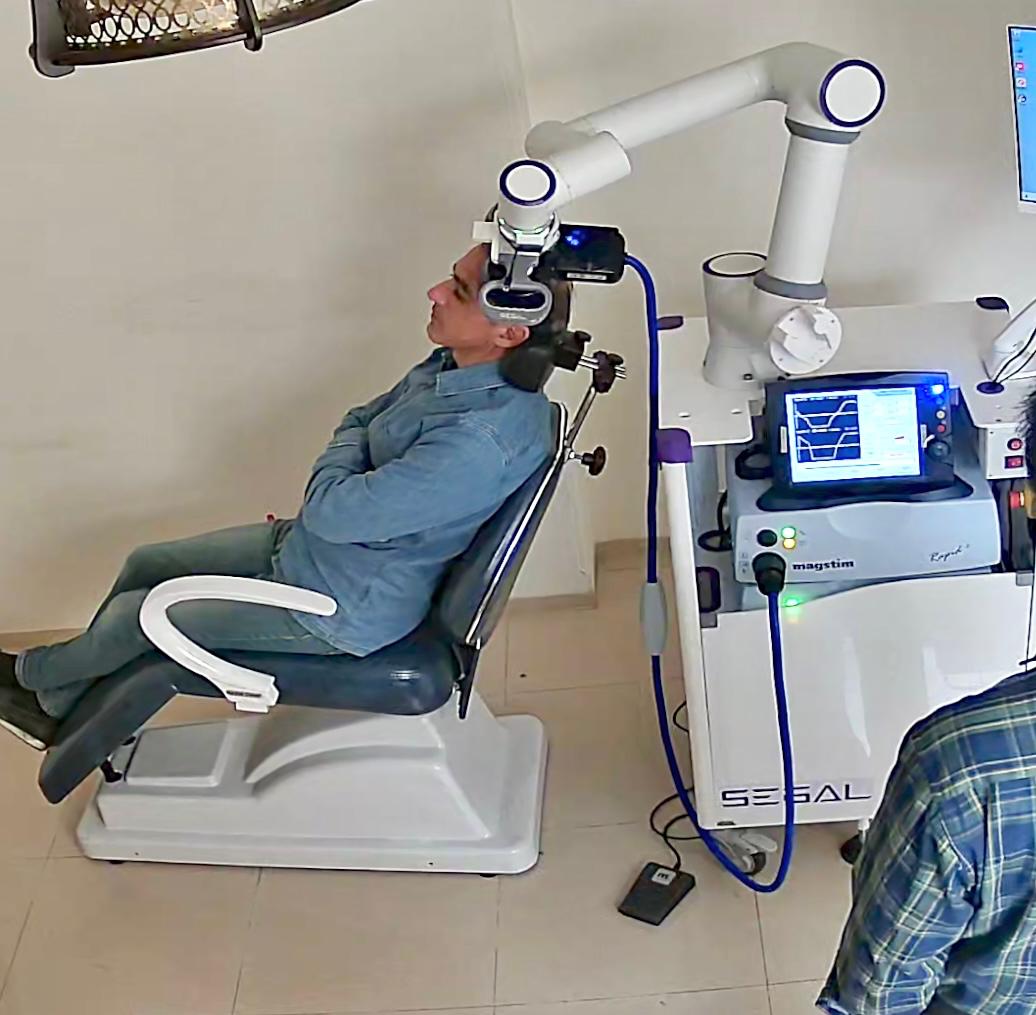
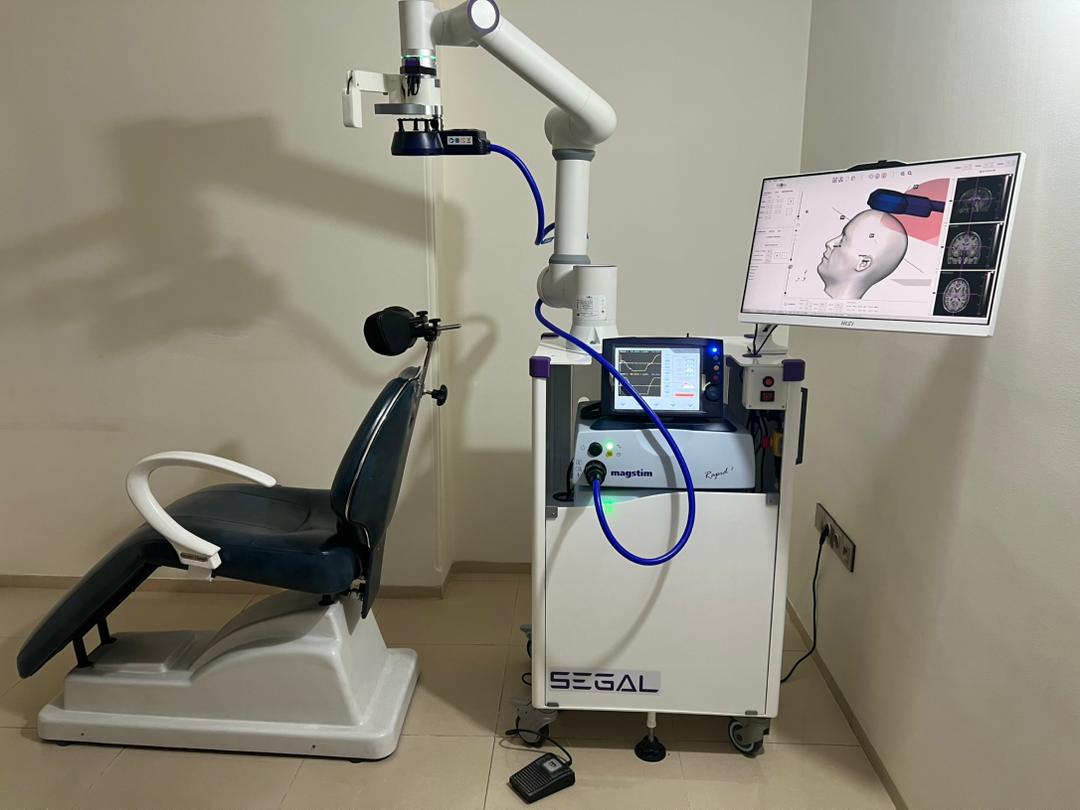
rTMS (transcranial magnetic stimulation) is a non-invasive treatment that uses magnetic fields to stimulate specific parts of the brain. It is effective in treating many mental and neurological problems and is considered an ideal option, especially for people who do not respond well to medication.
 rTMS Therapeutic Applications:
✅ Treatment of drug-resistant depression
✅ Reduction of severe anxiety and stress
✅ Help in the treatment of obsessive-compulsive disorder (OCD)
✅ Withdrawal from addiction (drugs, alcohol, nicotine)
✅ Reduction of symptoms of PTSD and post-traumatic anxiety
✅ Improvement of cognitive function and concentration

🔹 rTMS Benefits:
✔ No need for medication and no serious side effects
✔ Painless and non-invasive
✔ High effectiveness in the treatment of mental disorders
Therapeutic Target Groups
Students: Improving concentration and strengthening memory Coping with learning problems Reducing exam anxiety, treating depression and ADHD Increasing productivity and speed of action Improving the mental performance of students or programmers
Athletes Managing competition anxiety and increasing concentration Relieving and reducing chronic muscle pain or accelerating the recovery of nerve injuries Improving quality
Mothers Treat postpartum depression PPD safely for mother and baby Reduce anxiety and stress related to childcare Improve sleep quality
People working in stressful environments Reduce stress and burnout Improve cognitive function Decision-making and crisis management Treat tension headaches or occupational migraines Ideal for managers Entrepreneurs Healthcare professionals and people who work in stressful environments
Elderly people are treated by reducing the symptoms of dementia such as Alzheimer's, improving mood and treating depression in old age, reducing chronic pain such as nerve pain and chronic arthritis, improving sleep and preventing the progression of cognitive impairment
Stroke patients help restore motor function and improve muscle control, improve cognitive and speech abilities that were damaged by stroke, regulate brain activity to accelerate the rehabilitation process
Patients with treatment-resistant depression
People recovering from addiction Reduce cravings for drugs, alcohol or cigarettes, help regulate mood and prevent relapse Improve brain function damaged by substance use
Prevention with rTMS
Prevention of
Depression and anxiety Preventing the return of symptoms in susceptible individuals
Burnout Reducing stress and maintaining
Focus in people under work pressure.
Decreased cognitive function Preventing dementia and memory problems in the elderly.
Sleep disorders Regulating sleep patterns to prevent chronic insomnia
Performance decline in athletes and students Enhancing creativity and focus in veterans and people who have experienced traumatic events Reducing unwanted thoughts and intense emotional reactions Improving sleep and reducing frequent nightmares, reducing chronic pain
People with sleep problems Treating insomnia and improving sleep quality Regulating sleep rhythms and improving deep sleep
Patients with chronic pain: Reduction of treatment-resistant pain such as fibromyalgia or neuropathic pain. Relief of chronic headaches and migraines.
People with anxiety disorders: Reducing the severity of symptoms of anxiety disorders such as generalized anxiety disorder (GAD), social anxiety, and panic disorder. A non-invasive and effective approach for people who are sensitive to medications.
People with movement disorders Help reduce symptoms of movement disorders such as Parkinson's, dystonia or uncontrollable tremors People with obsessive-compulsive disorder (OCD)
People with autism spectrum disorders (ASD) Improve communication and social skills Reduce isolation and increase interaction Help manage repetitive and stereotyped behaviors Reduce anxiety and improve emotional regulation Non-invasive treatment that is ideal for children and adolescents with autism.
Children with speech disorders: Improving brain function in areas related to language production and processing, helping to increase the ability to pronounce and express sentences, a safe method that can be well integrated with occupational therapy and speech therapy programs.
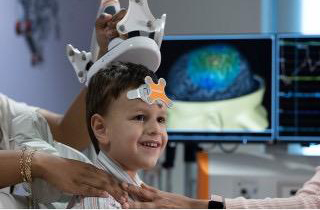
rTMS
Repetitive Transcranial Magnetic Stimulation is a non-invasive method that uses
magnetic pulses to stimulate specific areas of
the brain. This technique is effective in improving cognitive function, motor coordination, and reducing muscle fatigue.
rTMS Application for Athletes
Improving Motor Coordination by Increasing Neuroplasticity
TMS Jera
. Do you hesitate or slow down in key moments of the game? Have
Non-invasive and safe without the need for surgery or medication
Do you miss big opportunities in critical moments of the match due to decreased concentration or mental fatigue?
No systemic side effects
Positive effect on sports performance
Personalized protocols
Based on the specific needs of each athlete
Short sessions: 20-30 minutes
No recovery time required
FDA approved
Reduce muscle fatigue and accelerate recovery after training
For every champion. A special program
Accelerate recovery after injury
Improve sleep and mood
Increase focus and reduce performance anxiety
Increase motor skill learning
Reduce stress and improve mental health
Have you ever felt like you needed more time to recover after a tough game?
Are your reactions slow and you don't have the speed to react?
Do you feel like the stress and pressure of competition always prevent you from achieving your best results?
Are you ready to set new records by improving your mind-body coordination?
Become the best version of yourself with rTMS
Yes, and it must be done under the supervision of a specialist.
It varies depending on the treatment goal and individual condition, but several sessions are usually required to see results.
They usually present as a mild, temporary headache or perhaps a mild discomfort at the site of stimulation during the procedure.
No, TMS is a non-invasive and painless procedure.
Results are usually visible after a few sessions.
Yes, to improve concentration and speed of action, reduce fatigue and stress.